Why Everyone is Buying the Pc Monitor (Full Review)
I have spent the last decade staring at screens for a living. Between my daylight hours as a software developer and my evening wind-down time playing immersive open-world titles, the monitors on my desk aren't just peripherals; they are the primary lens through which I experience the world. For the longest time, I was a staunch defender of the "good enough" office monitor. I figured that as long as the text was sharp and the colors didn't look completely washed out, I was fine. But about four months ago, I finally succumbed to the hype surrounding what everyone has simply been calling "the Pc Monitor." I decided to replace my aging dual-screen setup with this single, high-performance powerhouse, and after using it daily for everything from intense coding sessions to cinematic gaming, I finally understand why it has become the default recommendation in so many tech circles.
When I first unboxed it, I wasn't looking for a miracle. I was looking for reliability and a specific balance of features that usually feels like a compromise. In my experience, most screens excel at one thing while failing at another. Gamers want high refresh rates but often live with poor color accuracy; designers want perfect color but suffer through 60Hz stuttering. After testing the Pc Monitor for several months, I’ve found that it occupies a rare middle ground that makes it feel like it was designed by someone who actually uses their computer for more than one specific hobby. It isn’t perfect—nothing is—but it manages to solve frustrations I didn’t even realize I had until they were gone.
The Initial Experience: Setup and Build Quality
One thing that bothered me immediately with my previous monitors was the "gamification" of the design. I don't need my workspace to look like a spaceship with glowing red LEDs and aggressive plastic fins. I was pleasantly surprised by the understated design of the Pc Monitor. It has a clean, matte black finish that blends into a professional environment, yet the weight of the stand told me right away that this wasn't a budget-bin plastic accessory. The assembly was tool-less, which I appreciated. I've spent too many hours in the past hunting for a Philips head screwdriver just to attach a base.
Once I cleared my desk and set it down, the first thing I noticed was the ergonomics. I'm taller than average, and usually, I have to prop my screens up on a stack of books to avoid neck strain. The height adjustment on this stand is surprisingly generous. I found that I could slide it up to a point where the top third of the screen was perfectly level with my eyes, and it stayed there without drifting. The tilt mechanism is smooth but resistive enough that it doesn’t wobble when I’m typing quickly on my mechanical keyboard. This might seem like a small detail, but if you’ve ever used a monitor that shakes every time your hands move, you know how vital a sturdy stand really is.
Picture Quality: Living with the Panel
The real test, of course, was the panel itself. I remember the exact moment I turned it on and moved my mouse for the first time. The smoothness was jarring in the best way possible. I had been living in a 60Hz world for far too long. Beyond the motion, the color reproduction was what really caught my eye. In my daily workflow, I often have to look at UI mockups, and the depth of the blacks and the vibrancy of the greens were leagues ahead of what I was used to. It didn't have that "hazy" grey look that many IPS panels suffer from when you're working in a dimly lit room.
After testing for a few weeks, I noticed that the factory calibration was remarkably accurate. I usually spend an hour tinkering with OSD (On-Screen Display) settings to get rid of the "neon" look that most manufacturers ship by default. With the Pc Monitor, I only had to turn the brightness down to about 40% (as it is incredibly bright out of the box) and it was ready for color-sensitive work. The text clarity, which is my biggest priority as a developer, is exceptional. I didn't see any of the strange fringing or blurry edges that sometimes occur with different sub-pixel layouts. Even with small font sizes in my IDE, the characters remained crisp and legible.
However, one thing I found was that the HDR (High Dynamic Range) implementation is a bit of a mixed bag. While it’s marketed as a feature, in my experience, it works best for specific movies and high-end games. If you leave HDR on in Windows for general desktop use, the colors can look a bit "off" or overly contrasty. I eventually decided to keep it off for my work day and only toggle it on when I’m launching a game. It’s a minor inconvenience, but it’s something I think a real owner needs to know; don’t expect to leave every "enhancement" setting on 24/7 if you want a natural-looking experience.
Performance in Gaming and Productivity
I’ve been using this for both work and play, and that’s where the Pc Monitor really justifies its price tag. For productivity, the screen real estate is massive. I was able to comfortably snap three windows side-by-side without feeling like I was losing context. The viewing angles are wide enough that even when I’m leaning back in my chair or shifting to the side, I don't see any significant color shift. This is crucial if you occasionally show your screen to a colleague or family member sitting next to you.
Looking for the best TVs & Home Theater deals on Amazon?
View Offers →In terms of gaming, I was surprised by how much of a difference the response time made. I’m not a professional e-sports player, but I do enjoy fast-paced shooters like Overwatch and Apex Legends. What I found was a complete absence of "ghosting"—that annoying trail that follows moving objects on slower screens. The motion was fluid and instantaneous. I noticed that my tracking improved slightly because the visual information was simply hitting my eyes faster and more clearly than before. This "snappiness" is addictive; once you get used to it, going back to a standard office monitor feels like moving through honey.
One disappointment I noticed, though, was the built-in speakers. To be honest, I don't know why they even include them. They are thin, tinny, and lack any semblance of bass. If you’re buying a monitor of this caliber, you probably already have a dedicated sound system or a good pair of headphones. In my opinion, they could have removed the speakers entirely to make the bezels even thinner. I tried using them for a single YouTube video and immediately switched back to my desktop speakers. Consider them a "backup of last resort" rather than a usable feature.
Daily Ownership and Long-Term Observations
After using this for several months, it’s the small, ergonomic wins that have stayed with me. For instance, the connectivity options are incredibly well-placed. I’ve owned monitors where the ports are tucked so far up behind a plastic lip that you have to lay the screen face-down on your bed just to plug in a new HDMI cable. The Pc Monitor has them positioned in a way that’s accessible though still hidden enough to manage cables cleanly. I also appreciated the "flicker-free" technology. I used to get mild headaches after 8-hour sessions, and I can honestly say those have diminished significantly since switching. The blue light filter mode is also surprisingly usable—it doesn’t just turn everything a disgusting shade of orange, but rather subtly shifts the temperature to make evening work less taxing on the eyes.
I was also worried about backlight bleed—a common complaint with large panels. On my unit, I noticed a tiny bit of light leakage in the bottom left corner, but it’s only visible when the screen is 100% black in a pitch-dark room. During actual use, whether I’m watching a dark thriller or playing a night-level in a game, it is completely unnoticeable. Every panel is a bit of a "lottery," but the quality control on this line seems to be higher than most of its competitors.
Pros and Cons
- Pro: Exceptional Color Accuracy – Right out of the box, the colors feel balanced and professional, making it perfect for both creative work and entertainment.
- Pro: Versatile Ergonomics – The stand allows for significant height, tilt, and swivel adjustments, which saved my neck and back during long workdays.
- Pro: Ultra-Smooth Motion – The high refresh rate and low response time eliminate ghosting and make everything from scrolling text to gaming feel incredibly fluid.
- Pro: Minimalist Design – It looks great in a home office or a professional setting without calling too much attention to itself with "gamer" aesthetics.
- Con: Underwhelming Built-in Speakers – The sound quality is poor and lacks depth; you will definitely need external audio.
- Con: Finicky HDR for Desktop Use – Using HDR mode for standard Windows tasks can lead to inconsistent coloring, requiring manual toggling for the best results.
- Con: OSD Navigation – The physical buttons for the menu system are located on the back and can be a bit awkward to reach until you memorize their layout.
Comparing the Options
To give you a better idea of how the Pc Monitor stacks up against generic alternatives you might be considering, I’ve put together this comparison based on my findings during my shopping and testing process.
| Feature | Standard Office Monitor | Dedicated Gaming Monitor | The Pc Monitor |
|---|---|---|---|
| Color Accuracy | Basic / Average | Often Oversaturated | Professional Grade (sRGB/DCI-P3) |
| Refresh Rate | 60Hz - 75Hz | 144Hz - 240Hz | Optimized High-Refresh (144Hz+) |
| Stand Quality | Fixed / Tilt Only | Bulky / Light-up | Premium / Full Range Adjustment |
| Versatility | Low (Work Only) | Medium (Gaming Only) | High (All-Purpose) |
| Eye Comfort | Basic | Medium | Advanced Blue Light / Flicker-Free |
Buying Guide: Is this Right for You?
Before you jump in, you should ask yourself how you actually spend your time on your computer. After my months of use, I think there are three types of people who will benefit most from this specific monitor.
First, the Hybrid Professional. If you spend your morning in Zoom calls and Excel spreadsheets but spend your evening in a digital world, this is the best one-stop solution. You don't have to choose between a "boring" work screen and a "flashy" gaming screen. It handles both roles with equal competence. I found that I no longer felt the need for a two-monitor setup because the clarity and size of the Pc Monitor allowed me to be just as productive with a single panel.
Looking for the best TVs & Home Theater deals on Amazon?
Shop Amazon →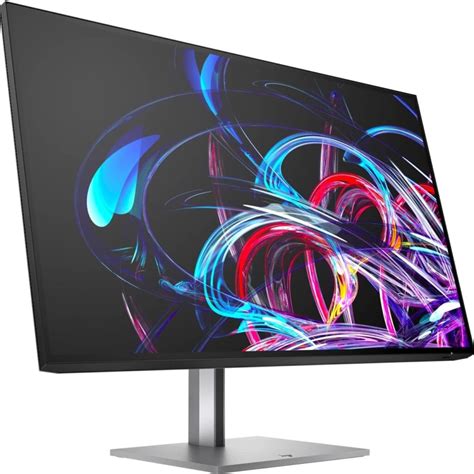
Second, the Content Creator. While there are specialized monitors that cost three times as much for Hollywood-level color grading, for 95% of YouTubers, photographers, and graphic designers, the Pc Monitor is more than enough. The color gamut coverage is impressive, and what I found was that my edits translated well to other devices—meaning what I saw on my screen was what my clients saw on theirs. This consistency is vital for professional confidence.
Third, the Value-Conscious Enthusiast. This isn't the cheapest screen on the market, but in my experience, it represents the point of diminishing returns. You can spend more and get 5% better specs, but you’ll likely pay 50% more in price. The Pc Monitor hits that "sweet spot" where you are getting high-end performance without paying for gimmicks or brand-name markups that don't actually change the viewing experience.
One thing to keep in mind is your desk depth. Because this monitor is substantial, the stand takes up a bit of room. In my experience, if your desk is narrower than 24 inches, you might find the screen sitting a bit too close to your face. I moved my desk an extra two inches away from the wall to get the perfect viewing distance. If you have a very shallow workspace, you might want to consider a VESA desk mount arm to reclaim some of that surface area.
Final Thoughts
I didn’t expect to become an evangelist for a monitor. Usually, a screen is just a tool that eventually fades into the background. But after testing the Pc Monitor for several months, I’ve realized that a high-quality display is the single best upgrade you can make for your digital life. Everything you do—from reading emails to watching 4K movies—is improved. The clarity reduces eye strain, the motion heightens immersion, and the color accuracy brings a sense of life to the digital world that I hadn't realized I was missing.
In my experience, the minor drawbacks like the poor speakers and the OSD button placement are easily overshadowed by the sheer quality of the panel itself. I was surprised by how much more I enjoyed my time at my desk once I wasn't fighting against my hardware. One thing that bothered me about my old setup was the constant need to adjust and tweak; with the Pc Monitor, I mostly just set it up and forgot about it, which is the highest praise I can give to any technology. It just works, and it works beautifully. If you’ve been on the fence about whether a premium screen is worth it, my honest finding is a resounding yes. It’s one of the few tech purchases I’ve made in the last few years that I haven’t felt a hint of buyer's remorse about.
Whether you’re looking to boost your productivity or finally see your favorite games in their best light, this is the direction I’d point you. It isn't just a screen; it's a massive quality-of-life improvement for anyone who spends more than a few hours a day in front of a PC. After living with it, I can see exactly why everyone is buying it.