The Truth About the Audio Technica: Pros, Cons, and Verdict
Audio-Technica has been a recognizable name in audio for decades, offering headphones, microphones, and turntables that appeal to hobbyists, audio professionals, and everyday listeners alike. This article examines what makes Audio-Technica products appealing, where they may fall short, and which buyers should consider which models. Rather than promote a single product, the analysis focuses on the brand’s common strengths and trade-offs across its most popular headphone families—studio monitor models, open-back audiophile lines, and consumer-oriented wireless/ANC options—and provides practical guidance for real-world use cases.
Introduction: Why Audio-Technica Still Matters
Audio-Technica balances price, performance, and practicality. For many buyers, the brand represents an approachable entry point into higher-fidelity listening without the steep premiums of boutique manufacturers. Studio engineers praise certain models for neutral presentation and durability, while content creators and casual listeners often cite comfort and consistent build quality. This review examines those claims, evaluates the typical trade-offs, and outlines which kinds of listeners get the most value from Audio-Technica gear.
Detailed Product Analysis
Design and Build Quality
Audio-Technica headphones generally emphasize functional, no-frills design. Materials range from reinforced plastics to metal yokes and cloth or leatherette ear pads depending on the price tier. Studio-focused models often prioritize durability and repairability—detachable cables, replaceable pads and headband cushions are common—while some consumer models trade replaceability for slimmer, lighter builds to improve portability.
Real-world use case: A podcaster who travels to interviews will appreciate detachable cables and replaceable pads—features that make field repairs feasible. Conversely, a commuter who wants a slim, foldable pair for daily transit may prefer the lighter consumer models that sacrifice some long-term serviceability for portability.
Sound Signature and Performance
Across its lineup, Audio-Technica tends to deliver a balanced midrange and controlled low end. The studio monitor families lean toward a relatively neutral presentation designed to reveal detail and aid mixing decisions, while the open-back models emphasize soundstage and air, and some consumer models present a slightly bass-forward tuning for immediate “fun” impact.
Key technical traits observed in common use:
- Clear midrange: Vocals and acoustic instruments are typically well-defined, which benefits voice work and mixing.
- Textured bass: Low frequencies are often tight and articulate rather than overly bloated—useful for tracking and critical listening.
- Varied treble: Treble tuning can differ between models; some offer extended highs for detail, while others tame this region to avoid fatigue during long sessions.
Real-world use case: A mixing engineer will value a neutral, revealing pair for accurate decisions; a gamer or casual listener might choose a variant with a warmer, more impactful low end for immersion.
Comfort and Ergonomics
Comfort varies by model and ear-pad material. Over-ear closed-back studio models are typically comfortable for multi-hour sessions, thanks to broader ear cups and good headband distribution. Open-back headphones often offer greater breathability and a lighter feel. For users with smaller heads, some models can feel slightly bulky without adjustable headbands tuned to low clamp force.
Real-world use case: Live-streamers and long-session gamers need sustained comfort—cloth pads with breathable materials and moderate clamp force reduce heat and pressure during extended periods. Travelers will prioritize foldable designs and compactness.
Isolation, Leakage, and Portability
Closed-back models prioritize isolation and reduced leakage, making them suitable for recording and commuting. Open-back designs trade isolation for spatial realism—their soundstage is superior but they leak sound and perform poorly in noisy environments. Wireless consumer models add portability but can introduce compression artifacts or latency depending on codec and device pairing.
Discover deals on Audio & Headphones — updated daily.
Browse Now →Durability and Serviceability
Audio-Technica products generally deliver solid longevity when treated with reasonable care. Replaceable ear pads, detachable cables, and available spare parts extend usable life. Professional users who rack or tour with gear may still prefer reinforced models with metal components for added resilience.
Features and Connectivity
The brand offers a range of connectivity options: wired, wired with coiled or straight cables, and wireless with Bluetooth and active noise cancellation (ANC) on select consumer models. Studio models rely on wired analog connections for latency-free monitoring. When evaluating wireless models, buyers should check supported codecs and battery life for real-world compatibility and endurance.
Real-world use case: A musician recording in a studio should choose wired models to avoid latency and ensure accurate monitoring; a frequent flier should prioritize ANC performance and battery life for uninterrupted use during long flights.
Pros & Cons
- Pros:
- Consistent value-to-performance across many price points
- Neutral to well-balanced sound signature suitable for professional use
- Good build quality with many user-serviceable parts (detachable cables, replaceable pads)
- Wide model range covering studio, audiophile, and consumer needs
- Comfortable for extended listening sessions in many models
- Cons:
- Some models can feel utilitarian compared with premium luxury competitors
- Open-back models are unsuitable for noisy or public environments due to leakage
- Wireless/ANC options may lag the absolute best-in-class latency or ANC performance from specialist brands
- Sound tuning between models can vary significantly, making it important to audition before buying
Comparison Table: Representative Audio-Technica Headphone Families
| Model Family | Type | Typical Use | Sound Character | Isolation | Note |
|---|---|---|---|---|---|
| Studio Monitor (e.g., M-series) | Closed-back, wired | Mixing, tracking, podcasting | Neutral, focused mids, controlled bass | High | Detachable cables, robust build |
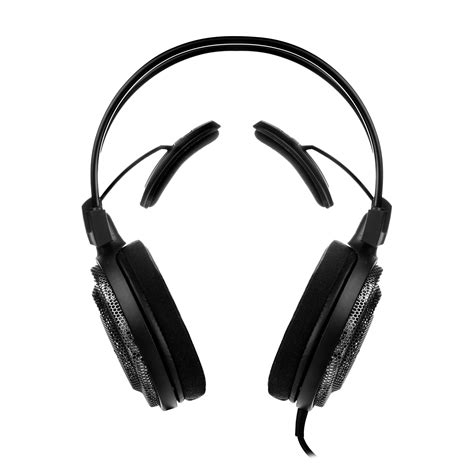
| Open-back Audiophile (AD-series) | Open-back, wired | Critical listening at home | Wide soundstage, airy highs | Low | Excellent imaging, not portable |
| Consumer Wireless (ANC models) | Closed-back, wireless | Commuting, travel, casual listening | Sometimes bass-boosted, tuned for fun | Moderate to high (with ANC) | Features like Bluetooth, ANC, foldable design |
| Entry/Practice Headphones (M20x/M40x tier) | Closed-back, wired | Home practice, budget studio work | Balanced, less refined than higher tiers | Moderate | Great value for beginners |
Buying Guide: How to Choose the Right Audio-Technica Headphones
Choosing the right pair depends on a few key considerations. Below are the factors buyers typically care about, with practical tips for matching needs to models.
1. Intended Use
- Studio recording and mixing: Choose wired, closed-back studio monitor models for tracking and closed-back for less room bleed; consider models with a neutral frequency response.
- Home listening and critical audio work: Open-back models provide a wider soundstage and more natural imaging, ideal for dedicated listening rooms.
- Commuting and travel: Look for consumer-oriented wireless models with effective ANC and long battery life.
- Gaming and streaming: Comfort and low latency are crucial; wired studio models or select low-latency wireless pairs perform well.
2. Comfort and Fit
Evaluate ear cup size, clamping force, and pad materials. Memory foam with breathable fabrics reduces heat in long sessions, while leatherette can offer better isolation but can be warmer. If possible, test a pair for at least 20–30 minutes to judge sustained comfort.
3. Sound Signature Preferences
Buyers who prefer an accurate, uncolored sound should seek studio monitor variants. Those who want musicality and bass impact for pop and electronic genres might prefer consumer models with a bit more warmth or low-end emphasis. Read or listen to multiple reviews and, when feasible, audition on familiar tracks.
4. Connectivity and Features
Decide between wired and wireless. Wired options ensure zero latency and no battery dependence. Wireless introduces convenience but requires attention to codec support (AAC, aptX, LDAC, etc.), battery life, and whether the ANC performance is sufficient for the intended environment.
5. Durability and Serviceability
For professional users, choose models with replaceable parts and robust construction. Look for metal reinforcements or models with a history of reliability under heavy use. Check manufacturer warranties and availability of replacement pads and cables.
6. Budget
Audio-Technica offers competitive choices across budgets. Entry-level models provide remarkable value for practice and casual listening. Mid-range studio models strike a strong balance between sound accuracy and cost. Higher-end or specialty models can approach audiophile performance without the boutique price tag of certain competitors.
7. Real-World Tips
- Read multiple reviews and compare impressions—what feels “neutral” to one reviewer can sound “dull” to another.
- Consider the entire signal chain: source quality, amp/dac (if wired), and device codec support (if wireless) significantly impact perceived performance.
- If shipping return windows are available, use them to audition at home with familiar tracks and realistic usage scenarios.
Real-World Use Cases
Below are common buyer profiles and which Audio-Technica direction suits them best.
Discover deals on Audio & Headphones — updated daily.
Browse Now →The Home Studio Creator
This user values accurate monitoring for mixes and reliable gear for tracking. Closed-back studio models with clear mids and tight bass are ideal. The detachable cable and replaceable cushions are practical for long-term ownership.
The Audiophile Listener
Listeners with a dedicated listening space who value soundstage and imaging will likely choose open-back variants. These users often pair headphones with dedicated amplifiers and higher-resolution sources to extract detail and dynamics.
The Commuter and Traveler
Portability, ANC, and battery life matter. Consumer wireless models that fold compactly and include noise-canceling technology make the most sense for flights and daily commutes.
The Content Creator and Streamer
Comfort over long sessions, a reliable closed-back design to reduce background bleed for live recordings, and a consistent tonal balance for voice reproduction are the priorities. Wired studio models often outperform consumer wireless options in latency and sound consistency.
Verdict and Final Thoughts
Audio-Technica is a dependable choice for a wide range of listeners and professionals. The brand consistently delivers sensible engineering: solid build quality, thoughtful ergonomics, and sound signatures that suit both critical and casual listening. The most compelling value comes from models that emphasize neutrality and durability—attributes that appeal to studio users and long-term owners.
However, buyers should be mindful of trade-offs. Open-back models are ill-suited to noisy environments, and some wireless/ANC consumer options may not match the latest industry leaders in noise cancellation or codec support. Sound tuning varies considerably across different families, so auditioning or researching specific models before buying is essential.
Ultimately, Audio-Technica remains a practical, performance-focused brand. It offers clear choices: studio monitors for accuracy, open-backs for immersive listening at home, and consumer models for mobility. For buyers who prioritize value, serviceability, and a balanced sound profile, Audio-Technica is often a strong candidate. For those seeking the absolute pinnacle of ANC, exotic materials, or boutique luxury finishes, other manufacturers may better match those specific needs.
Readers considering Audio-Technica should define their primary use case, test models when possible, and factor in comfort, connectivity, and serviceability alongside pure sound performance. Doing so will match the right model to the right listener and maximize satisfaction with the purchase.