Spec Battle: Epomaker He68 Hall Effect Keyboard vs Nzxt Function Elite Mini Tkl — Is It Worth Upgrading?
Introduction
When mechanical keyboard enthusiasts and practical buyers alike talk about an upgrade, the conversation usually narrows to two questions: what will feel better to type on, and what will survive daily use longer? The Epomaker He68 Hall Effect Keyboard and the Nzxt Function Elite Mini Tkl represent two different philosophies in answering those questions. One leans into contactless, long-life sensing technology; the other focuses on modern build quality, hot-swap flexibility, and gaming-friendly features. This article examines both from a practical standpoint — real-world use cases, what buyers typically care about, and whether switching between them makes sense for particular workflows or play styles.
At a Glance: What Each Keyboard Tries to Solve
The Epomaker He68 emphasizes durability and a unique actuation mechanism: Hall effect sensors that detect magnet position rather than relying on metal contact. That promises near-zero wear at the electrical contact level and consistent behavior over years of heavy use.
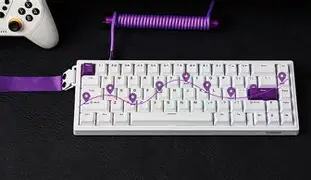
The Nzxt Function Elite Mini Tkl leans into modern enthusiast and gamer priorities: refined plate/mounting designs, hot-swappable switches for personalization, solid build materials, and software-driven lighting and macros. It aims to be versatile out of the box and easy to customize later.
Detailed Product Analysis
Epomaker He68 Hall Effect Keyboard — What it Brings
The Epomaker He68 is centered on the Hall effect switch concept. In practical terms, hall-effect keyboards replace the traditional electrical contact (metal leaf + slider) with a magnetic sensor that registers switch position. The perceived advantages in everyday use are straightforward: a very long electrical life, a smooth actuation that resists contact bounce issues, and consistent performance over a large number of keystrokes. For someone who types for hours each day, the promise of longevity and stability is attractive.
From a user's perspective, the He68 often comes in compact layouts (commonly 65–68 key arrangements) that keep arrow keys and a few navigation keys while reducing desk footprint. Epomaker typically offers multiple switch actuation profiles or modded stems to pair with the Hall sensor; buyers can still choose the tactile or linear feel they prefer while benefiting from the contactless sensing layer.
Real-world use cases where the He68 excels include heavy typists and software developers who value reliability above all, streamers or office users who want a consistent typing signature for daily use, and people who keep peripherals for several years without wanting electrical degradation to affect key registration.
Nzxt Function Elite Mini Tkl — What it Brings
The Nzxt Function Elite Mini Tkl is designed with customization and refined user experience in mind. It typically targets gamers, content creators, and enthusiasts who appreciate a premium case, gasket or flex-mounted designs for better sound/feel, and hot-swap PCBs that allow changing switch types without soldering. That makes the Nxzt Function Elite Mini Tkl attractive to anyone who likes to experiment with switches or upgrade keys over time.
In real usage, the Nzxt's strengths show during iterative personalization: swapping to heavier switches for better gaming keypresses, changing to tactile switches for typing, and tuning stabilizers or keycaps to alter acoustics. Many buyers opt for the Nzxt when they want a platform that adapts to future preferences or when they want a keyboard that integrates cleanly with a broader desktop ecosystem (lighting, macros, and software profiles).
Looking for the best Laptops & Computers deals on Amazon?
View Offers →Build, Mounting, and Acoustics
Build decisions directly influence how a keyboard feels and sounds — often more than switch type alone.
- Epomaker He68: The focus is typically on a functional compact case with sturdy construction to house the Hall sensors. Because the sensing system is not dependent on a particular mounting style, users may find more straightforward tray or plate mounting. This yields a reliable, less “tunable” acoustic character but tends to emphasize consistency.
- Nzxt Function Elite Mini Tkl: Nzxt invests in chassis finish, sealing, and mounting approach (gasket, top-mount, or sandwich) to create a refined acoustic signature and softer typing feel. The more attention to plate material and case damping usually means the Nzxt will provide a more premium, “finished” sound and can be tuned with foam, different keycaps, or lubed stabilizers to suit personal taste.
Connectivity, Software, and Customization
Buyers care a great deal about how a keyboard interfaces with their setup.
- Epomaker He68 often offers wired USB connectivity with reliable polling and minimal latency. Software support varies by model and vendor, but Epomaker commonly offers firmware-level programmability and sometimes VIA or QMK compatibility on select boards, allowing advanced remaps and macros without dependence on vendor software.
- Nzxt Function Elite Mini Tkl typically includes strong software integration for lighting and macro configuration. Hot-swap PCBs and clear firmware choices make experimenting straightforward. For those who rely on per-key RGB, layered profiles, or easy switch swapping, the Nzxt provides practical advantages.
Durability and Lifespan
Durability is where the contrast becomes most meaningful. Hall effect sensors are prized for long electrical lifespans: they do not suffer the same oxidizing or mechanical contact degradation that traditional switch contacts do. For a buyer who expects to use a keyboard daily for many years without replacing switches, that can be compelling.
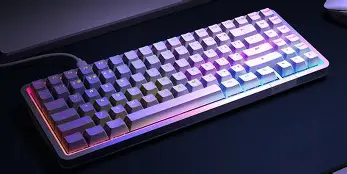
Nzxt’s durability focus is more mechanical: better case materials, reinforced plates, and high-quality stabilizers that maintain feel and sound over years. While the electrical switching lifespan depends on the chosen mechanical switches, hot-swapability means a worn-out switch can be replaced easily, extending the keyboard’s useful life through maintenance rather than relying solely on contactless sensing.
Pros & Cons
Epomaker He68 — Pros & Cons
- Pros:
- Contactless Hall sensing reduces electrical wear and promises long-term consistency.
- Compact 65–68 key layout saves desk space while retaining navigation keys.
- Good fit for heavy typists and those who want low-maintenance longevity.
- Cons:
- Less emphasis on hot-swap flexibility in some configurations; switch changes may be harder depending on PCB.
- Acoustic and mounting options are often simpler, meaning less scope for tuning sound and feel compared to gasket-mounted boards.
- Software and ecosystem support can be inconsistent between models; buyers should verify firmware capabilities.
Nzxt Function Elite Mini Tkl — Pros & Cons
- Pros:
- Hot-swap PCB enables easy switch experimentation and upgrades.
- Premium mounting and case design often yield better sound and a refined typing feel.
- Strong customization via software for lighting and macros appeals to gamers and content creators.
- Cons:
- Mechanical switches still wear electrically; longevity requires replacing switches over very long timeframes.
- Higher initial cost for premium builds and features.
- Users who prefer a minimalist, maintenance-free keyboard may find the extra customization unnecessary.
Side-by-Side Comparison
| Category | Epomaker He68 Hall Effect | Nzxt Function Elite Mini Tkl |
|---|---|---|
| Switch Technology | Hall effect (contactless sensing) — register via magnetic sensors | Mechanical (hot-swap options) — choice of linear/tactile switches |
| Layout | Compact 65–68 key flavors aimed at desk space efficiency | Mini TKL — compact tenkeyless layout focused on gaming and desk setup |
| Hot-Swap | Varies by model; not always prioritized | Typically supported; designed for switch swaps |
| Mounting / Acoustics | Functional mounts; consistent, workmanlike sound | Premium mounting (gasket/plate) with tuning potential |
| Customization | Programmability possible; check firmware (VIA/QMK on some) | Extensive software and per-key RGB; macros and lighting profiles |
| Durability | Excellent electrical longevity due to contactless sensing | Mechanically durable; longevity supported by replaceable switches |
| Best For | Heavy typists, longevity-focused buyers, low-maintenance users | Gamers, customizers, enthusiasts who experiment with switches and sound |
Buying Guide — How to Choose Based on Use Case
Choosing between these two involves matching priorities with daily needs. The following checklist helps prioritize features based on common buyer profiles.
For Heavy Typists and Professionals
If the keyboard sees eight-plus hours of daily typing, electrical stability and predictable longevity matter. The Epomaker He68’s Hall effect sensing reduces concerns about contact wear and can offer a consistent feel for years. Consider it when replacing a keyboard infrequently is a priority.
For Gamers and Competitive Players
Latency, actuation preference, and switch personalization matter most. The Nzxt Function Elite Mini Tkl’s hot-swap capability and often lower-profile, performance-oriented design make it easier to dial in a gaming setup. Also prioritize features like anti-ghosting, polling rate, and low-latency wired mode.
Find top-rated Laptops & Computers products at great prices.
Browse Now →For Modders and Enthusiasts
If the plan is to tinker — swap switches, change keycaps, experiment with foam, or tune acoustics — choose a hot-swap, gasket-mounted board such as the Nzxt. The ability to iterate without soldering significantly lowers the barrier to customization.
For Shared or Office Use
Durability, silent operation, and consistent performance are key. Hall effect keyboards can be attractive for shared desks where maintenance is less frequent. If software-based per-key lighting or macros create a distraction in shared spaces, that should factor into the decision.
Other Practical Buying Considerations
- Try before you buy when possible: switch feel and layout preference are subjective.
- Check firmware and software support if programmable layers or key remaps are important.
- Consider keycap profiles — some boards ship with higher-quality PBT keycaps, which affect feel and longevity.
- Warranty and support — verify coverage for electronics and switches (especially important for contactless sensor setups).
- Future-proofing — hot-swap boards and widely supported firmware ecosystems (QMK/VIA) can extend the useful life by enabling community-driven updates.
Is It Worth Upgrading?
Whether upgrading is worth it depends on the current keyboard and the buyer’s priorities. Here are pragmatic scenarios that help decide:
- From a worn-out consumer membrane or low-quality mechanical keyboard: Both the Epomaker He68 and Nzxt Function Elite Mini Tkl represent clear upgrades. The He68 offers long-term electrical reliability; the Nzxt provides immediate customization and a more refined tactile/sonic experience.
- From a good enthusiast mechanical keyboard: The choice narrows to preference. If the current board already has high-quality switches and a gasket mount, upgrading to the Nzxt mainly makes sense for specific features (software, layout, or build refinements). Switching to the He68 would be justified if electrical longevity or a different sensing philosophy is a priority.
- For a one-device setup that should last many years with minimal maintenance: The Epomaker He68 holds an edge thanks to contactless sensing. For users who dislike periodic switch replacements or soldering work, that reliability is a strong selling point.
- For people who frequently tinker or change switch preferences: The Nzxt Function Elite Mini Tkl is more appropriate due to hot-swap flexibility and accessible modification options.
Conclusion
The Epomaker He68 Hall Effect Keyboard and the Nzxt Function Elite Mini Tkl each solve different problems well. The He68 is an appealing choice for users who prioritize long-term electrical reliability and a compact, low-maintenance layout. The Nzxt Function Elite Mini Tkl is the better pick for those who prize build refinement, acoustic tuning, and the ability to change switches and profiles without tools.
Upgrading is worth it when a buyer’s daily needs align with what either keyboard emphasizes: choose the He68 if longevity and consistent feel across years of heavy typing are paramount; choose the Nzxt if personalization, sound/feel tuning, and software-driven features better serve gaming or creative workflows. For many users, the decision ultimately comes down to whether one values a maintenance-free, durable sensing system or a modular, customizable platform that grows with the user’s preferences.
Both models represent thoughtful approaches to modern keyboard design — the right upgrade depends on priorities more than on a universal “better” label.